Government in Many Forms
| Site: | MSL Learn |
| Course: | Local Government and Libraries |
| Book: | Government in Many Forms |
| Printed by: | Guest user |
| Date: | Tuesday, October 27, 2026, 4:16 AM |
Civics 101
Let’s briefly step back to Civics 101. Government functions fall into three major categories or branches.
We might call them branches but it’s the purpose of these branches that is most important for understanding the role of local government.
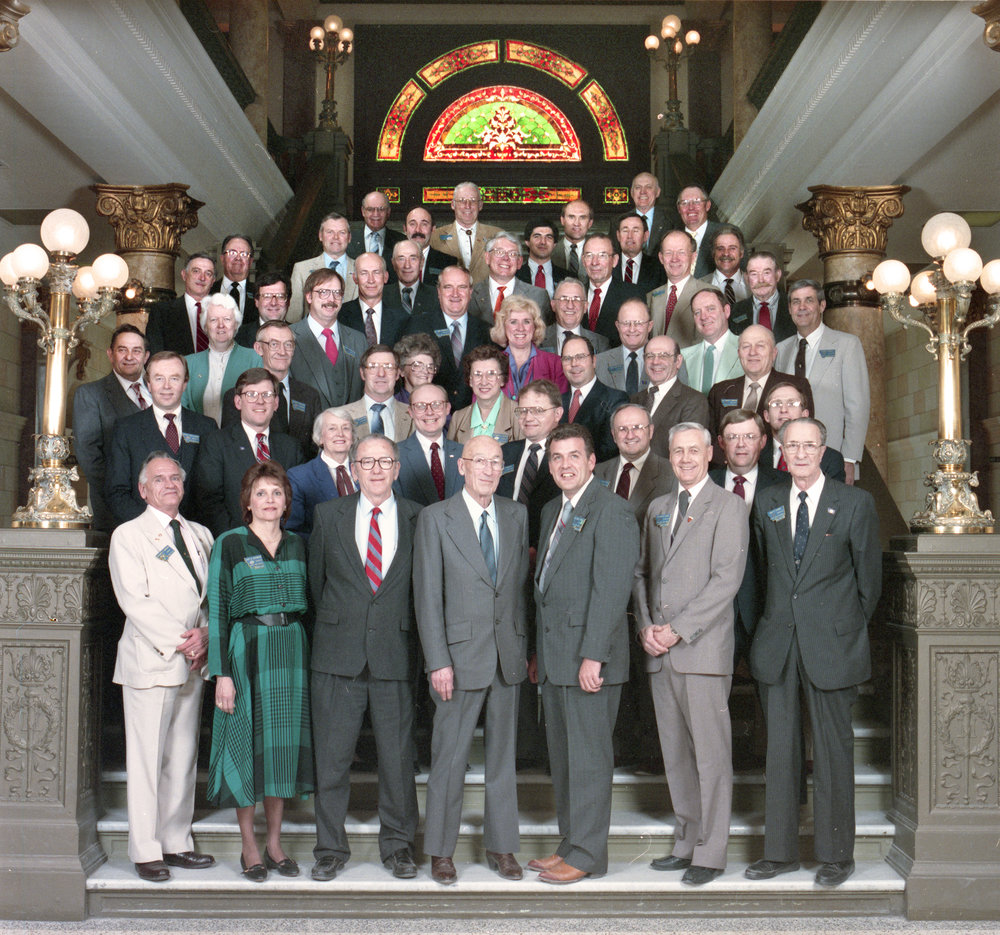 Legislative – this involves creating and updating laws that determine what citizens can or cannot do as a member of a community. Laws may also define terms and expectations for agencies or departments within government.
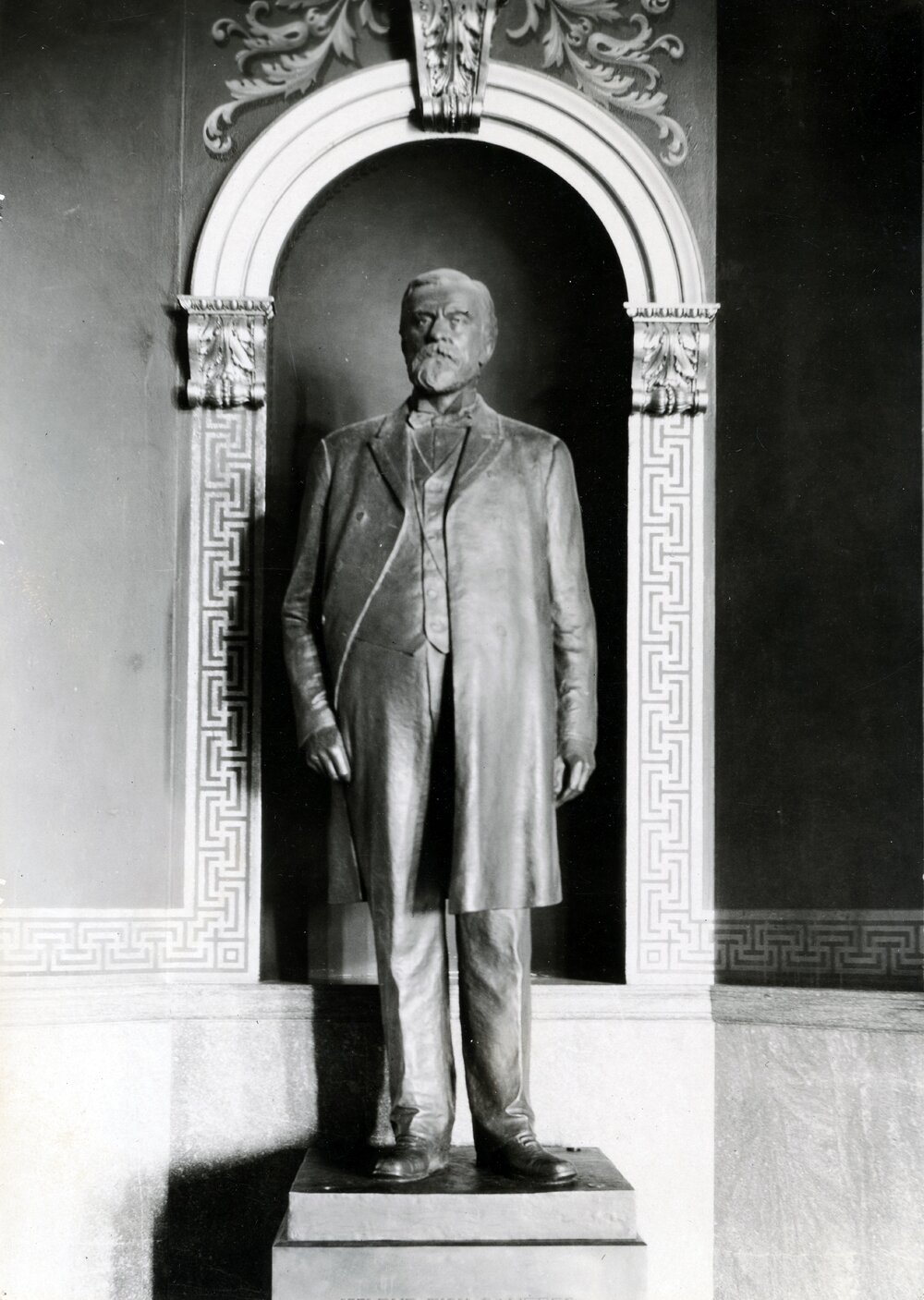 Executive – this involves administering the laws created by legislation. It’s identifying and following through on the logistics of meeting people’s expectations and managing what people can and cannot do.
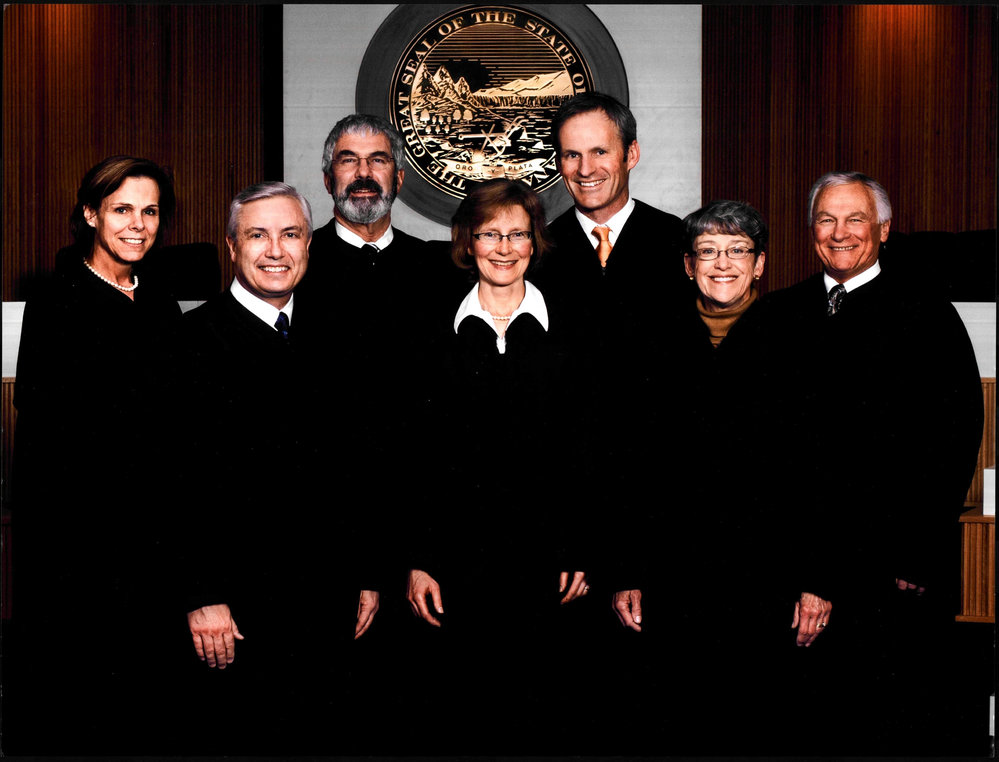 Judicial – this branch is charged with enforcing and interpreting the law.
As you move forward in the course, think about how these functions are handled within the different forms of government.
When you think about the library – who handles the legislative, executive, and judicial functions of the library?
Local Government and Authority
 Most public libraries in Montana are connected to a city or county.
Even independent library districts created under Montana Code Annotated Title 22, Chapter 1, Part 7 must work with the county for levying the money needed to fund the library and for election of board members.
While Montana law has given most public library boards a fair amount of authority, the governance structure of the library and the form of local government influences how that authority works.
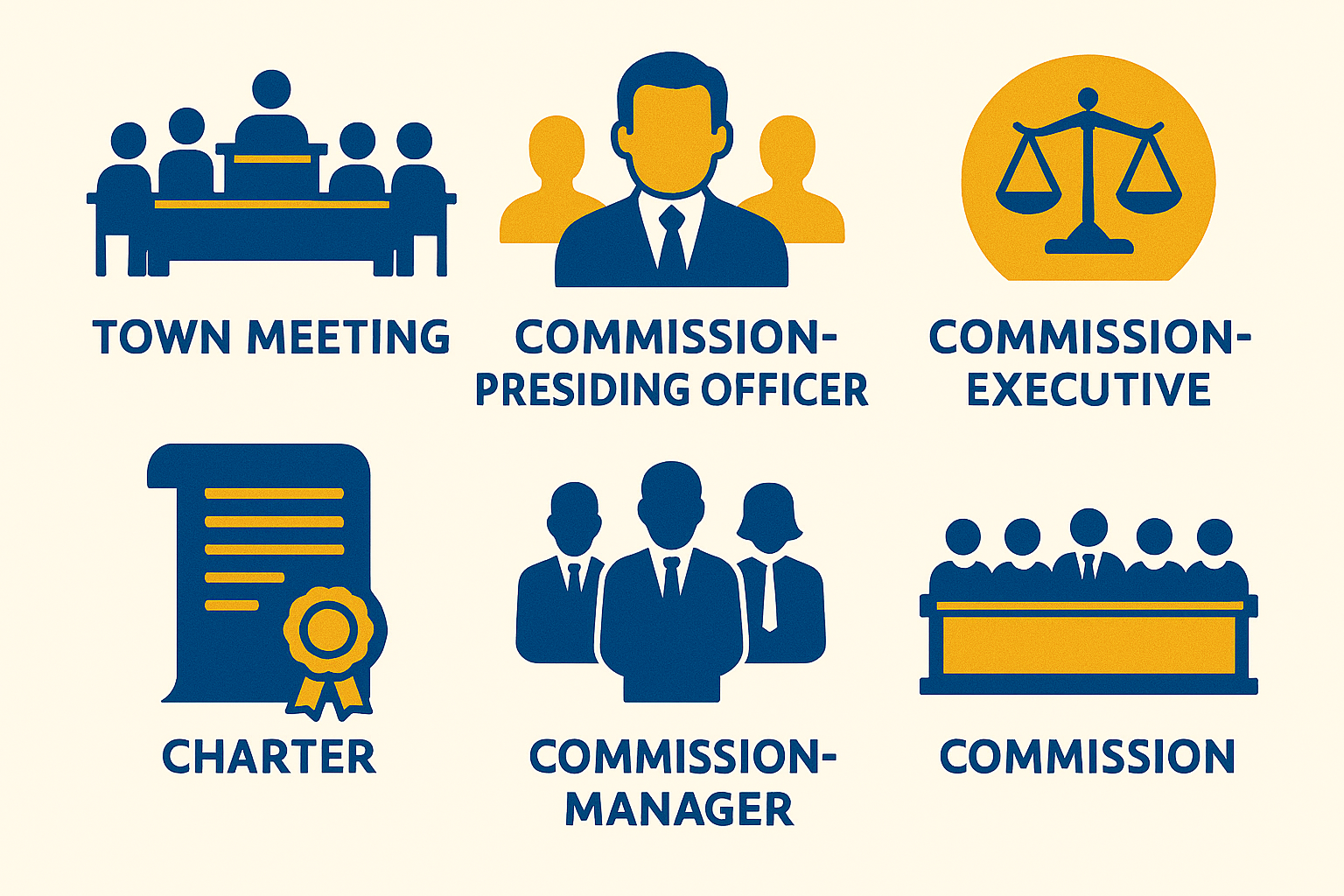
City, County, or Other: 6 Basic Forms
What is the form of the local government you interact with the most?
It’s okay if you don’t know. We'll share how to find out more as you work through this course.
Use the arrow buttons to view each card and turn it for a description of each form.
Next, you will look at documentation so you can confirm the form of your local government.
Check Your Local Government Form
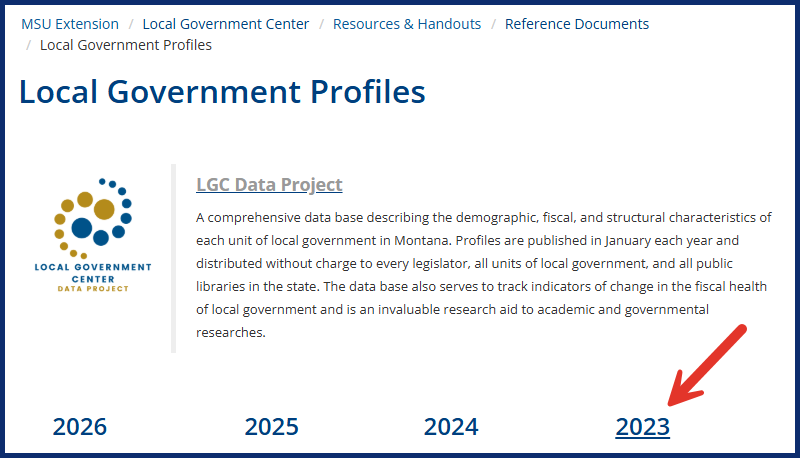
Please visit the Local Government Profiles created by the Local Government Center at Montana State University to verify your city and/or county’s form of government. The most current listing is from fiscal year 2023.
Use the back arrow in your browser to return to the course after reviewing the Local Government Profiles.
Form of Government and Powers of Government in Chart
The chart includes a lot of information. Focus on the Governmental Characteristics columns.
You can use Control+F to search for your town name in the document:
- look at the acronym for form and powers
- then use the acronym key to confirm your local form of government

Acronym Key for Chart
Here is a key to the acronyms used in the chart at the bottom of the document.
County Forms of Government
- Charter (C)
- COM-EX (Commission Executive)
- COM (Commission)
- Non Charter
- COM (A)
- MGR (Manager)
- ECOF (Elected County Official Form)
Powers of Government
- SELF (Self Government)
- GEN (General Government)
- Method of Election
- P (Partisan)
- NP (Nonpartisan)
Municipal Forms of Government
- Charter (C)
- MGR (Manager)
- COM-EX (Commission Executive)
- TM (Town Meeting)
- Non Charter
- MGR (A) (Manager)
- COM-PO (Commission Presiding Officer)
- COM-EX (Commission Executive)
- COM-EX (A)
Powers of Government
- SELF (Self Government)
- GEN (General Government)
- Method of Election
- P (Partisan)
- NP (Nonpartisan)
Forms of Government - Resources for a Deeper Dive
Use the back arrow in your browser to return to the course after reviewing the handbooks or after reading the various MCA references.
Montana Municipal Officials’ Handbook
Please review Chapter 1.3 of the Montana Municipal Officials’ Handbook created by the Local Government Center at Montana State University (2019).
Although the handbook focuses on municipal government, the Commission and Commission-Manager form of government are the primary structures found in county government.
Montana County Board Handbook
A Guide to Serving on Boards, Districts, Commissions and Committees, 2022 Edition
This updated Handbook contains five sections.
- The first section contains a summary of the principal boards in Montana, explanation of general board statutes, use of resolutions guiding boards, and statutes pertaining to special districts.
- The second section presents information on how to serve on a board with short summaries of pertinent laws in Montana including open meetings, code of ethics, nepotism, discrimination, wrongful discharge, ex parte consultations, and board liability.
- Section three offers guidelines for conducting board meetings with an emphasis on parliamentary procedure, ground rules, facilitator competencies, and use of by-laws.
- The fourth section addresses leadership and team building techniques.
- Last, section five describes each board in terms of creation, purpose, membership, authority, and funding with citations for the appropriate title, chapter and part of the Montana Code Annotated (MCA).
Principal Statutes Related to Forms of Local Government
- Article XI, section 3, Constitution of the State of Montana.
- Title 7 Local Government, Chapters 1-3
Next, you will test your new knowledge with some brief activities.
What's Your Form?
Your library operates within one of the six local government forms, and that will shape your board’s authority, your budget process, and your personnel relationships.
Choose your form of government from the list. Use the "I" icon to see definitions.
Knowledge Check
Now, let's test your knowledge of forms of local government. There are five questions with six points possible. This is not a graded activity and you can try as many times as you like.
Check your answers as you move through the questions.
Let's move on to Who Does What? to learn more about the roles of local government officials.